
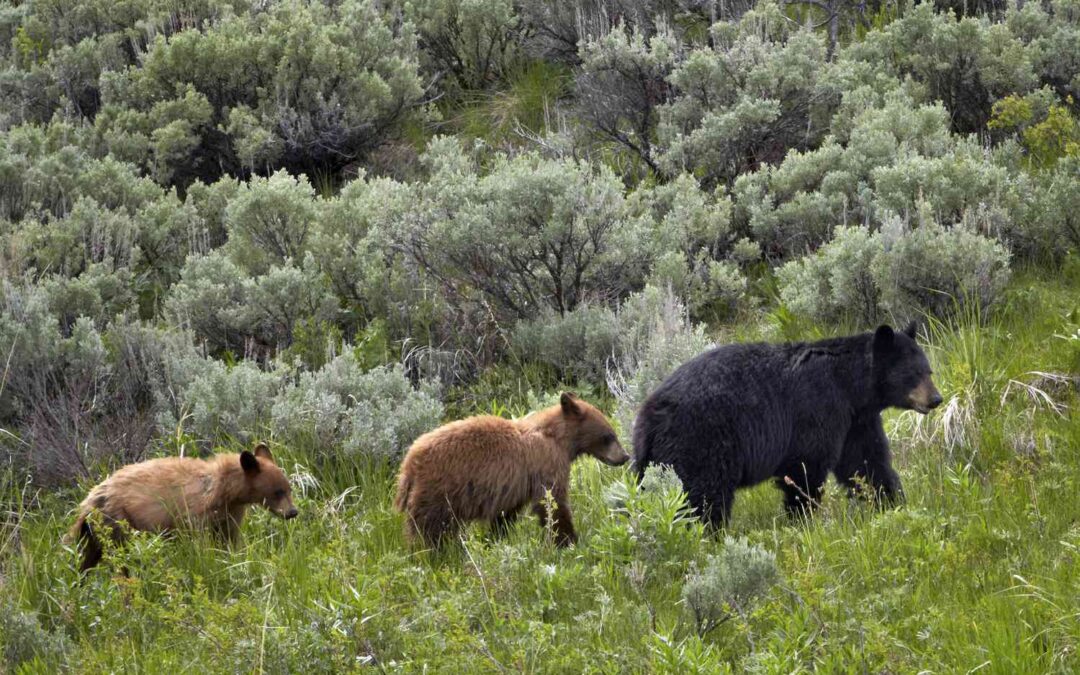
Tahoe Donner has a way of feeling like its own world, tall pines, quiet streets, and back decks that blend into the forest. Bears see it differently. To a black bear, neighborhoods can look like a connected network of easy calories, shady nap spots, and repeatable routines.
If you have ever wondered, “Was that the same bear again?”, you are asking the right question. The secret life of Tahoe Donner bears is not just where they show up, it is how quickly they can move, what they learn, and why the best solution is almost always reducing attractants.
The secret lives of Tahoe Donner bears, what they do when we are not looking
Most bear encounters in Truckee and Tahoe Donner follow a familiar pattern.
- They wander through neighborhoods at dusk or overnight
- They check trash cans and bear boxes
- They follow scent trails from grills, pet food, and compost
- They nap under decks, in crawl spaces, or in cool shaded areas
- They return to the same streets if the reward is consistent
Bears are not “being bad.” They are doing what smart, food-motivated animals do, repeat what works.
How far can a Truckee Tahoe bear travel in a day?
Here is the part that surprises most homeowners. Black bears can travel much farther than people assume, especially in mountain regions like the Truckee Tahoe area.
Typical daily movement can look like this:
- 1 to 5 miles per day is common when food is abundant
- 10 to 15 miles in a day is not unusual when bears are searching for food, mates, or new territory
- During peak foraging seasons, some bears have been documented traveling 20 plus miles in a single day
Young male bears dispersing from their mothers can travel even farther over days or weeks as they establish new home ranges.
Could that be the same bear?
Yes, it could. In the Sierra Nevada, a bear that raids a neighborhood in Tahoe Donner at night could easily be several miles away by the next evening. That is why you might hear about a bear sighting near Donner Lake, then see one in Tahoe Donner, then hear another report closer to North Lake Tahoe.
The takeaway is simple. The bears you see are not always “neighborhood bears” confined to one street. Their home ranges can span many square miles.
Why bears learn neighborhoods fast
Bears are excellent problem solvers. When a bear finds an easy food source, it remembers.
Neighborhoods can unintentionally teach bears:
- Trash day patterns
- Which cans are easiest to tip
- Which decks provide cool shade for a midday nap
- Where fruit trees or bird feeders create steady scent trails
- Which properties leave grills dirty or food stored outside
Once a bear is rewarded, it is more likely to return, and more likely to try the same behavior elsewhere.
Why securing attractants works better than relocating bears
It is tempting to think the solution is to “move the bear.” Wildlife officials often emphasize the opposite, secure trash and remove attractants.
One reason is practical. Many relocated bears simply find their way back, or they continue seeking human food in a new area. If the food reward remains, the behavior continues.
That is why the most effective homeowner action is to make your property boring from a bear’s perspective.
A simple Tahoe Donner bear smart checklist
If you want to reduce bear visits, focus on the basics.
- Secure trash in a bear resistant container, and do not leave it out early
- Keep bear boxes latched
- Clean grills and store them in a way that reduces odors
- Do not leave pet food outside
- Manage compost carefully, avoid food scraps that create strong smells
- Pick up fallen fruit if you have fruit trees
- Consider motion lights in high traffic areas
Small changes can make a big difference, especially when an entire neighborhood is consistent.
A quick note for homeowners, bears and decks
If bears are napping under decks or moving through tight areas around the home, it is a good reminder to keep exterior spaces maintained and accessible. Spring and summer are also a great time to inspect decks, stairs, and railings for wear.
The bottom line
Tahoe Donner bears are not just passing through; they are learning. They travel farther than most people expect, and they remember what works. If you want fewer bear visits, the most effective step is to remove the reward by securing trash and other attractants.
And if you are ever wondering, “Could that be the same bear?”, the answer is often yes.
Ready to get your property summer ready?
If you are planning exterior projects this season, including deck repair and renovations, paint and stain, defensible space, and tree service. Submit a project request today, and we will follow up.