
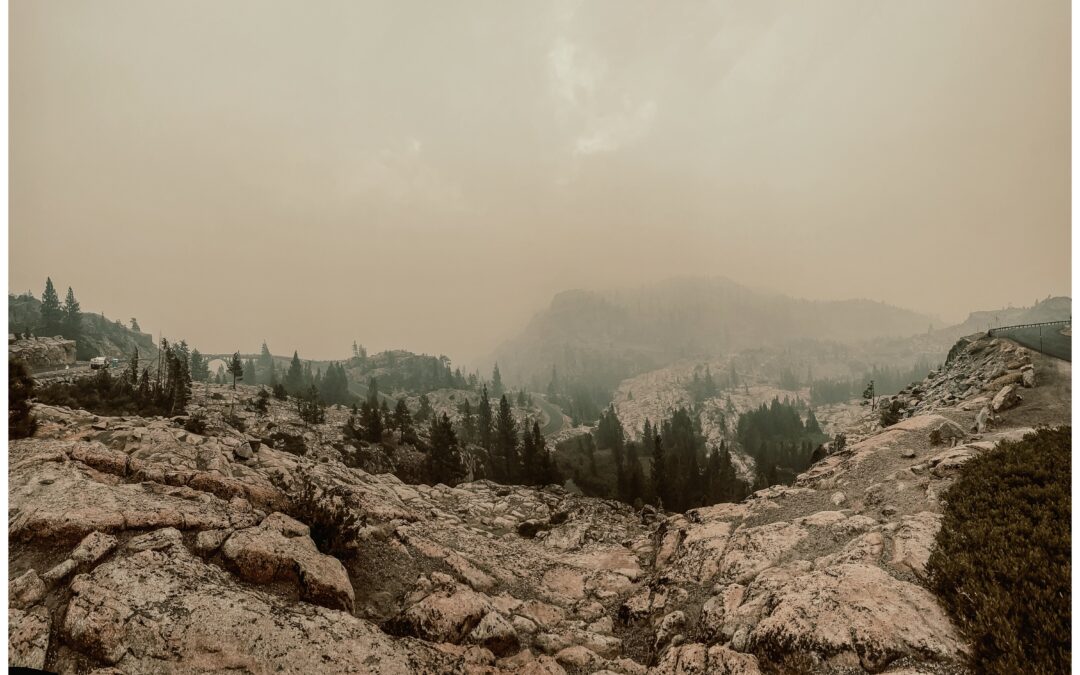
August. The days are hotter, the air feels drier, and the landscape looks more “tired” by the week. Even the forest sounds different. Fewer birds in the middle of the day, more insect buzz at dusk, and wildlife showing up in places you do not usually see them in June.
None of this is your imagination. August is when late-summer Sierra conditions stack up at once: heat, dry fuels, lower water, smoke potential, and shifting food sources. For homeowners, it is also a month when small property issues can show up quickly, especially if you are only in town on weekends.
This guide explains what is happening in plain language, and what you can do around your home to stay ahead of it.
The late-summer Sierra “stack,” why August feels intense
August is often when the region is at its driest point. Snowmelt is long gone, spring runoff has tapered, and the landscape has been baking for weeks. Even if we get afternoon thunderstorms, the overall pattern is still dry.
A few things tend to happen at the same time:
- Hotter afternoons and warmer nights
- Drier vegetation and dustier conditions
- Lower water levels in creeks and lakes
- Higher smoke risk, even from fires far away
- More insects and more wildlife movement toward water and food
When these overlap, the whole area can feel sharper and more extreme than it did earlier in the season.
Smoke, why it can show up even when there is no local fire
One of the most noticeable August shifts is smoke. Sometimes it is from a nearby incident. Other times it drifts in from fires hours away and settles into the Tahoe Basin and Truckee area due to wind and terrain patterns.
Why smoke lingers in mountain towns
Mountain valleys can trap air, especially overnight and in the morning. That can make smoke feel heavier and last longer than you expect.
What homeowners can do during smoky periods
- Keep windows closed during the worst air quality hours
- Run HVAC fan settings if you have filtration
- Replace filters on schedule, smoky weeks can load them faster
- If you have a cabin you do not visit often, consider checking that vents and screens are intact so smoke and ash do not blow in through gaps
If you are sensitive to smoke, it helps to plan outdoor work earlier in the day and keep an eye on local air quality updates.
Water levels, why the landscape looks “thirsty” by August
By August, many creeks are lower, some seasonal flows slow down, and lake edges can look very different than they did in June. Lower water changes more than scenery. It can change where animals drink, where insects breed, and how dust and pollen behave.
What lower water can mean around your property
- More dust on driveways and walkways
- Drier soils that crack and pull away from hard edges
- Increased irrigation demand for landscaping (if you irrigate)
- Wildlife seeking water sources closer to neighborhoods
If you are a part-time homeowner, August is a good month to check for irrigation leaks, overspray, and runoff patterns. Water that is not going where you intend can create erosion and soft spots.
Bugs, why they seem worse in late summer
August is often when homeowners notice more insect activity, especially in the evening. Some of this is seasonal life cycles. Some of it is driven by heat and water availability.
Common late-summer bug drivers
- Standing water in low spots, buckets, planters, or clogged drains
- Warm evenings that keep insects active longer
- Exterior lights that attract moths and other insects, which can also attract spiders and bats
Simple homeowner steps that help
- Dump standing water and clear clogged drains
- Keep outdoor trash areas clean and lids closed
- Check screens and door sweeps, small gaps matter
- Consider switching exterior bulbs to less insect-attracting options if bugs are a constant issue
Wildlife movement, why animals show up closer to homes in August
As the landscape dries, food and water sources shift. Wildlife follows. That is why August can bring more sightings near neighborhoods, especially early and late in the day.
Animals are not “suddenly bold” for no reason. They are responding to:
- Heat and the need for reliable water
- Changes in natural food availability
- Human attractants that are easy compared to foraging
What homeowners can do to reduce attractants
- Keep trash secured and do not leave bags outside overnight
- Clean grills and avoid leaving food residue outdoors
- Pick up fallen fruit if you have fruiting trees
- Store pet food indoors and feed pets inside when possible
- Keep garage doors closed, especially at night
Check the easy entry points
Late summer is also a good time to do a quick exterior walkaround and look for gaps that animals can use.
- Loose crawlspace vents or screens
- Gaps under decks or stairs
- Openings around sheds and storage areas
- Fence sections that create easy access paths
A quick August homeowner checklist (15 minutes)
If you want one simple routine for August, here it is.
- Walk your perimeter and look for standing water, leaks, or soggy spots
- Check screens, vents, and door sweeps for gaps
- Confirm trash is secured and grills are clean
- Look for new wildlife “sign,” tracks, droppings, or tipped bins
- Note any drainage issues or erosion channels after thunderstorms
This is especially helpful for part-time homeowners who want to avoid arriving to a surprise.
What to watch as we head into September
August conditions often set the stage for early fall. If you handle the basics now, you are in a better position for the first storms, wind events, and the start of fall cleanup season.
In the Truckee and North Lake Tahoe region, late summer is not just a “slow month.” It is a transition month. The homes that do best through winter are often the ones that stay ahead of small issues in August.
A QUICK CHECK NOW CAN PREVENT BIGGER ISSUES LATER
If you want help spotting drainage problems, fixing small exterior issues, or tightening up your property before fall weather arrives, our team can help. Reach out here, and we’ll point you in the right direction!